
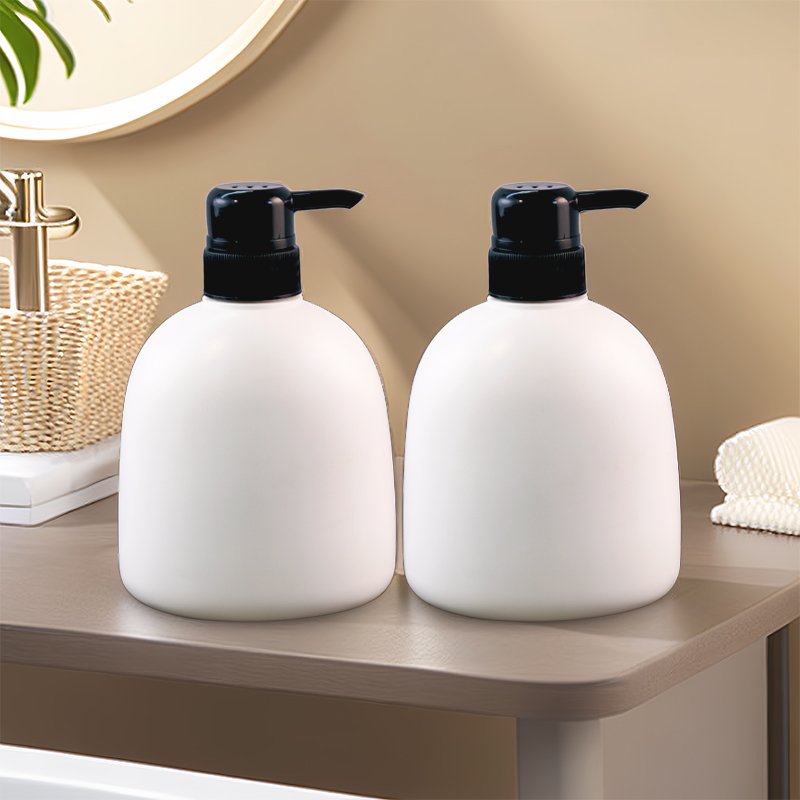
Empty cosmetic bottles store well for 1 to 3 years in a cool, dry, dark warehouse away from direct sun and strong solvents. PET, HDPE and PETG are stable plastics, but dust, static and odour pickup are the real risks, not decay. Rotate stock and keep them sealed until filling.
A bottle is a long-lead item you often buy before you know exact demand, so storage matters as much as sourcing. Stored correctly, empty PET, HDPE and PETG bottles keep their shape, clarity and fit for years. Stored badly, they pick up dust, odour, static and deformation that show up as rejects on the filling line. This guide covers how long you can hold stock, what actually degrades it, and how to set a warehouse that protects your investment.
Storage at a glance
- Shelf life: 1-3 years typical for empty bottles in cool, dry, dark storage away from solvents.
- Real risks: dust, static, odour pickup and deformation, not chemical decay of the plastic.
- Rotation: use first-in-first-out so oldest stock fills first and nothing ages out of spec.
- ShiJin: 1,000+ open molds, MOQ 5,000 units, 15-25 day production, cartons sealed for transit storage.
How Long Do Empty Bottles Last?
Empty PET, HDPE and PETG bottles are stable polymers that do not rot or expire the way a formula does. In a cool, dry, dark warehouse kept away from direct sun and strong solvents, they typically stay in spec for 1 to 3 years, often longer for HDPE, which is the most chemically inert of the three.
The limit is not decay of the plastic but slow changes from the environment: surface dust, static charge that attracts dust, odour pickup from neighbouring goods, and slow deformation under stacked weight. Our PET vs HDPE vs PETG guide covers which material resists what, which helps you set storage by bottle type.
Treat the bottle's own shelf life as long, but treat its cleanliness and shape as perishable, because those are what the filling line rejects.
What Actually Degrades Stored Bottles?
Dust and static are the everyday risks. A bottle that sat open in a warehouse collects a film that the filler's air rinse may not fully remove, and static makes that film cling. Keep cartons sealed until the line needs them.
Odour pickup is the subtle one. Plastics are slightly permeable, so bottles stored next to solvents, fragrances or food can take on a smell that transfers to the product. Give bottles their own clean zone away from strong-smelling goods. Our chemical compatibility guide explains why material choice also affects what a bottle absorbs.
Deformation comes from stacking too high or storing near heat. A bottle that has gone oval will not index on the filler or seal under the cap, so cap stack height and keep the warehouse below the temperature where the resin softens.
How Should You Set Up the Warehouse?
Keep bottles in their sealed cartons on pallets off the floor, in a dry area with stable, moderate temperature and low direct light. Palletise so the oldest cartons are easiest to reach, which supports rotation without a manual hunt.
Separate bottles from food, solvents and fragrance, and from any area that sees forklift exhaust or humidity swings. A clean, dedicated zone protects both the bottle and the brand's quality story. Our carton packing guide shows how the carton itself is the first layer of that protection.
Label each pallet with received date and SKU so the warehouse runs on data, not memory, and so a recall or a formula change can trace stock quickly.
How Do You Rotate and Inspect Stock?
Use first-in-first-out: the cartons received earliest fill first, so no batch ages past its useful window. A simple received-date label and a pallet map make this automatic rather than heroic.
Inspect on the way out, not just on the way in. Before a carton goes to the line, check for crushed bottles, odour, heavy dust or deformation, and reject the affected units. Our pre-shipment QC guide lists the checks that belong at receiving and at line-feed.
Keep a small sample from each received lot in a clean bag as a reference, so if a filling problem appears weeks later you can tell whether it came from storage or from the bottle itself.
How Do You Prep Bottles Before Filling?
Most lines air-rinse bottles just before filling to remove dust, but that step works best on bottles that were stored sealed, not on ones that sat open for months. Open cartons in a clean area, not on the warehouse floor.
Let bottles reach line temperature before filling if they were stored cold, because a cold bottle can condense moisture inside when it meets a warmer room, and that water lands in the product. A short equilibration beat avoids a costly contamination find.
At ShiJin we ship 1,000+ mold designs in sealed cartons, MOQ 5,000 units, 15-25 day production, so your stock arrives clean and stays that way until you open it. Tell us your annual volume and we will help you size buffer stock so you reorder before the oldest carton ages out.
Frequently Asked Questions
How long can I store empty cosmetic bottles?
In a cool, dry, dark warehouse away from sun and solvents, empty PET, HDPE and PETG bottles typically stay in spec for 1 to 3 years, often longer for HDPE. The limit is not plastic decay but dust, static, odour pickup and deformation from poor storage.
Do plastic bottles absorb odour in storage?
Yes, plastics are slightly permeable and can pick up smells from nearby solvents, fragrances or food, which may then transfer to the product. Store bottles in their own clean, dedicated zone away from strong-smelling goods to avoid this subtle risk.
Should empty bottles be stored open or sealed?
Keep them sealed in their cartons until the filling line needs them. Open storage invites dust and static that cling to the surface and may survive the line's air rinse. Open cartons in a clean area, not on the warehouse floor.
What is the best rotation method?
Use first-in-first-out: the earliest received cartons fill first, so no batch ages past its window. Label each pallet with received date and SKU, palletise so oldest stock is easiest to reach, and inspect cartons on the way out for crush, odour, dust or deformation.
Do I need to rinse bottles before filling?
Most lines air-rinse just before filling to remove dust, and that works best on bottles stored sealed. Also let cold-stored bottles reach line temperature first, because a cold bottle can condense moisture inside when warmed, dropping water into the product.
Matching bottle options for this topic
Real molds from our library in a comparable material and size class — each product page carries the full spec sheet, neck size, MOQ and lead time.
- PE Cosmetic Bottle 120ml — SKU SJE1799-120
- PET Cosmetic Bottle 300ml — SKU SJT0536-300
- PET Cosmetic Bottle 500ml — SKU SJT0334-500
- PET Cosmetic Bottle 819ml — SKU SJT0374-819
Sizing your bottle buffer stock?
Tell us your annual volume and fill rhythm. We ship 1,000+ mold designs in sealed cartons, MOQ 5,000 units, 15-25 day production, and we will help you size buffer stock and reorder timing so you never age a carton past its useful window.
Browse Mold Library Request a Quote