
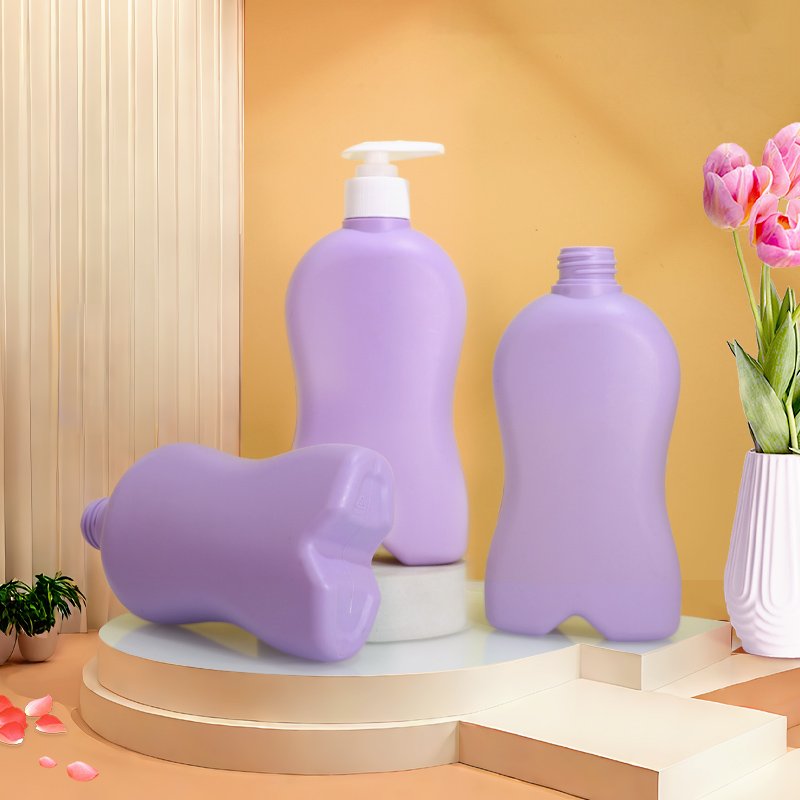
Launch a private label line on open molds first. A library of 1,000+ proven designs lets you go from concept to shelf in 15–25 days at MOQ 5,000, with no tooling wait. Differentiate with custom color, soft-touch or metallized finish and the right closure, not a new shape. Keep compliance and the first-run budget in the plan from day one, so the launch scales instead of stalling.
Private label is how most new beauty brands reach market without a molding budget. The win is speed and low risk. The trap is looking generic. This guide shows how to launch fast, stand out, stay compliant, and set a first-run budget that protects your margin.
Private label at a glance
- Speed: open molds ship in 15–25 days vs weeks of custom tooling.
- MOQ: from 5,000 units - low enough to test a launch, high enough for cost.
- Differentiation: custom color, soft-touch or metallized finish, closure choice on a shared shape.
- Compliance: label rules differ by market - FDA (US), EU 1223/2009, China SAMR.
- ShiJin: 1,000+ open molds, MOQ 5,000, 15–25 day production, material certificates on request.
Why Launch on Open Molds First?
Custom tooling buys a unique shape, but it costs weeks and a tooling fee. For a brand proving demand, that is the wrong first move. Open molds are shapes already cut, sampled and in production.
A library of 1,000+ open molds means you pick a proven bottle and start decorating. Production runs in 15–25 days at MOQ 5,000. You reach the shelf while a custom-tooled rival is still waiting on first samples.
Use the open mold to learn the market. When a SKU sells, invest the tooling budget in a custom shape that earns it. The shape becomes a reward, not a risk.
How Do You Stand Out Without Custom Tooling?
Difference comes from finish, not form. Three levers work on any open mold.
- Custom color. Match the PET or HDPE body to your brand shade. A custom hue separates you from stock white at a fraction of tooling cost.
- Finish. A soft-touch coating or metallized cap turns a standard bottle into a premium object in the hand.
- Closure. The cap is the cheapest place to signal intent. Swap a plain cap for a weighted or lacquered one and the whole pack reads differently.
Define one hero element. A brand that changes shape, color, cap and finish at once looks unfocused. Pick the lever that fits the price and let the rest stay quiet. Our minimalist vs luxury guide helps you choose the finish level.
What Compliance Must a Private Label Brand Handle?
Compliance is the risk new brands overlook, and the supplier cannot own it for you. The package and the label must meet the rules of the market you sell into.
| Market | Framework | What it touches |
|---|---|---|
| United States | FDA cosmetic rules, Fair Packaging and Labeling Act | Net weight, ingredient declaration, responsible person |
| European Union | Regulation (EC) 1223/2009 | Responsible person, PIF, CPNP notification, labeling |
| China | SAMR / NMPA cosmetic rules | Registration or filing, Chinese label, responsible entity |
Two packaging tasks sit with you. First, the material must be safe and compatible with the formula - request the material certificate and run the compatibility check. Second, the label must carry the required statements for each market. Keep the compliance file with the artwork so re-orders stay clean.
How Do You Set a First-Run Budget That Fits Margin?
The first run sets your per-unit cost, so plan it like a launch, not a test. MOQ 5,000 keeps tooling amortization near zero, which is the point.
Decoration is where budgets leak. A soft-touch plus metallized cap on a 5,000-unit run can push unit cost past a tight retail price. Choose the finish that the margin allows and add the rest after volume proves out.
A simple check: take your target retail, subtract formula, fill, freight and margin, and the remainder is your packaging ceiling. If the aesthetic you want breaks that ceiling, dial the finish back one step. The shelf will still read on-brand.
How Should You Work With the Supplier?
Treat the supplier as a partner from the brief, not a vendor at the PO. Share three things: the formula, the target price, and the launch date. With those, a good supplier proposes a system that is actually feasible.
Ask for printed and filled samples before mass production. A printed sample shows the color and finish; a filled sample shows the spray or pump in action with your real product. Both catch problems a blank sample hides.
Confirm the inspection plan in writing. AQL levels, leak and torque tests, and a photo report turn a hope into a specification. Our QC guide lists the checks to require.
What Are the Common Private Label Mistakes?
Four mistakes stall more launches than any other.
- Over-decorating the first run. Premium finish on a small volume breaks margin before sales prove it.
- Skipping compatibility. A pretty bottle that reacts with the formula is a recall, not a launch.
- Ignoring label rules. The pack ships, then customs or a platform rejects the listing.
- Custom tooling too early. A unique shape before demand is proven ties up cash in a mold you may not reuse.
At ShiJin you launch on 1,000+ open molds with MOQ 5,000 and 15–25 day production, material certificates on request, and decoration options from silk screen to metallized cap. Tell us your price ladder and formula and we will propose a launch-ready system.
Frequently Asked Questions
Does private label mean generic packaging?
No. Open molds give you a proven shape, but you differentiate with custom color, soft-touch or metallized finish and closure choice. Most customers cannot tell an open-mold bottle from a custom one once it carries your color and finish. The shape is shared; the brand is not.
How fast can a private label line launch?
On open molds, production typically runs 15 to 25 days after artwork approval, at MOQ 5,000 units. Custom tooling adds weeks and a tooling fee, so most brands launch on open molds first and invest in custom shapes only after a SKU proves demand.
What MOQ should an emerging brand expect?
A 5,000-unit minimum is a common, workable entry for cosmetic bottles. It is low enough to test a launch and high enough to keep per-unit cost reasonable. Below that, decoration and setup costs dominate the unit price and erode margin.
Who is responsible for cosmetic compliance, the brand or the supplier?
The brand is the responsible person for labeling and market compliance; the supplier provides the package and material certificates. You must meet FDA, EU 1223/2009 or China SAMR rules for the markets you sell into, and confirm formula compatibility with the bottle material.
How do I differentiate without custom tooling?
Use one hero lever on a shared shape: a custom-matched body color, a soft-touch or metallized finish, or a distinctive closure. Pick a single element that fits your price tier rather than changing shape, color and cap at once, which reads as unfocused.
Matching bottle options for this topic
Real molds from our library in a comparable material and size class — each product page carries the full spec sheet, neck size, MOQ and lead time.
- PE Cosmetic Bottle 150ml — SKU SJE1732-150
- PE Cosmetic Bottle 300ml — SKU SJE1711-300
- PE Cosmetic Bottle 400ml — SKU SJE1727-400
- PE Cosmetic Bottle 650ml — SKU SJE0142-650
Ready to launch your private label line?
Send us your price ladder and formula. We will propose a launch-ready packaging system from 1,000+ open molds, with decoration options, compliance notes and per-unit costs.
Browse Mold Library Request a Quote